
З Великоднем! Happy Easter! to our all courageous and inspirational Ukrainian readers, wherever you are reading this.
Easter in the Orthodox Church this year is on the 16th April. You can read about some beautiful Ukrainian Easter traditions on this child-friendly website, here: https://bilingualkidsrock.com/ukrainian-easter-traditions/
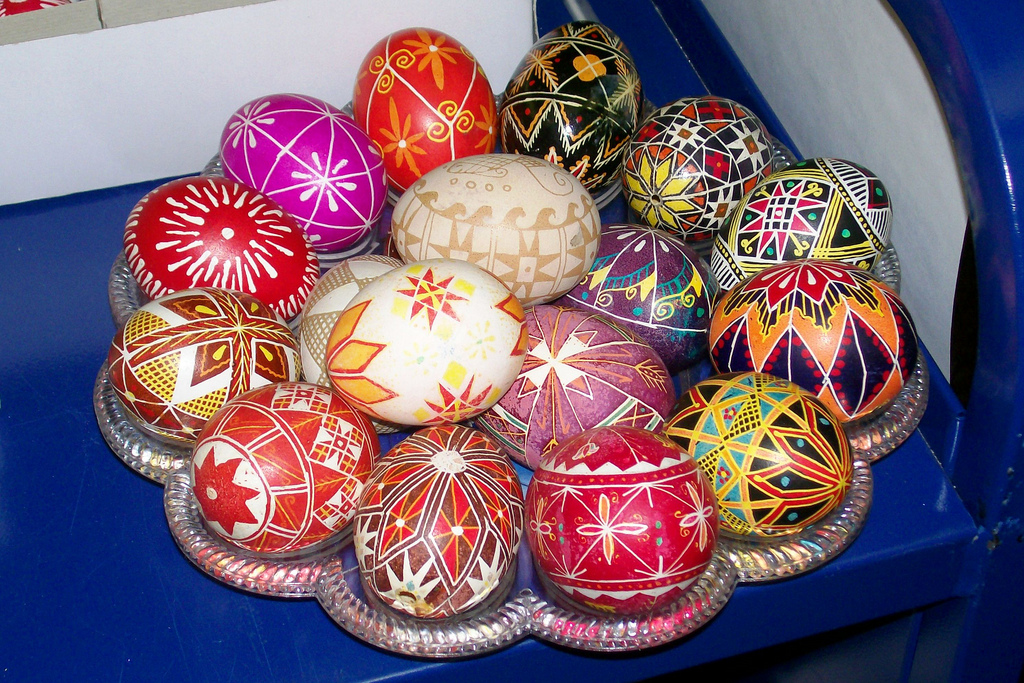
You can download, or colour online, some beautiful designs, here: https://www.supercoloring.com/coloring-pages/pysanky-eggs
Ukrainian Easter Eggs “Pysanky”. Photo Credit to RTLibrary
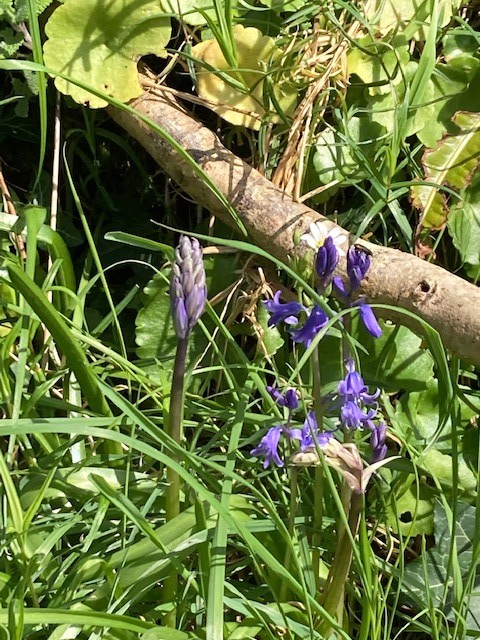
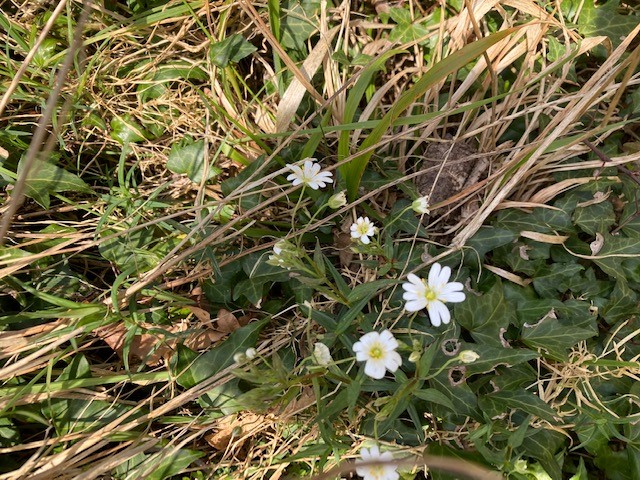
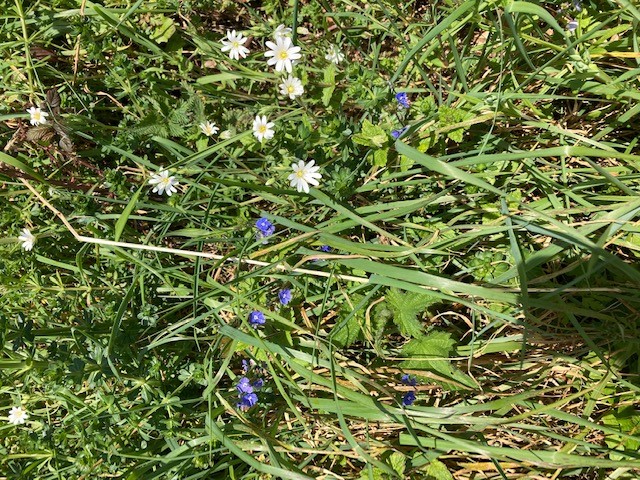
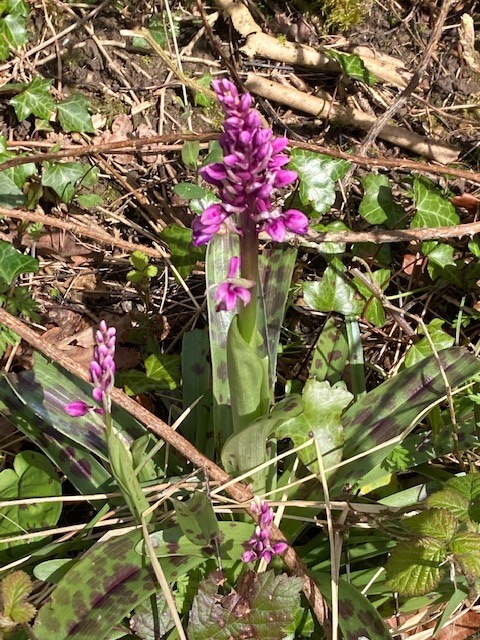
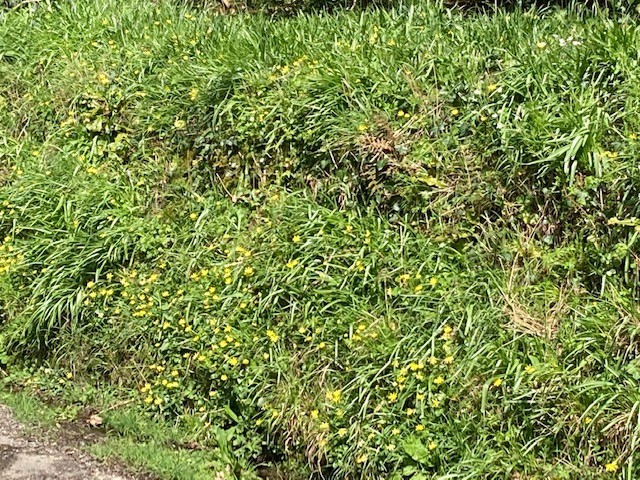
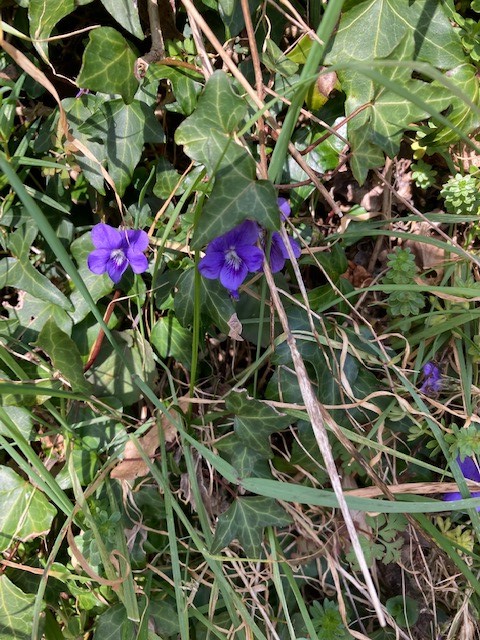
We have been thinking about wild flowers and Easter folklore.
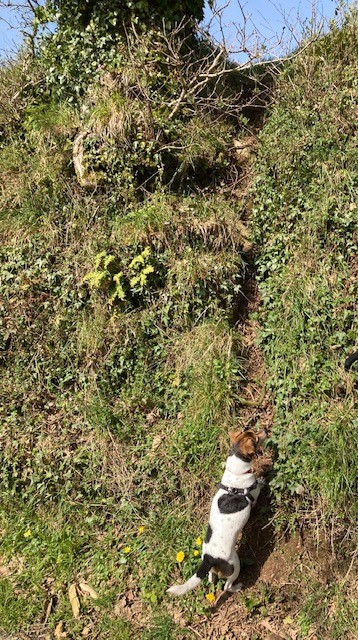
Busby says, “Being a dog, my special interest lies more in whatever has passed by the flowers. However, I have enjoyed seeing how many wild flowers we can spot that are mentioned in this fabulous article.”
Willow is an important part of Easter in Ukraine, so it interesting that it also features in traditional British folklore. https://www.bbc.co.uk/programmes/articles/4DMBrvtf4BC68BjG1ql3Y4H/12-british-wild-plants-that-tell-the-easter-story
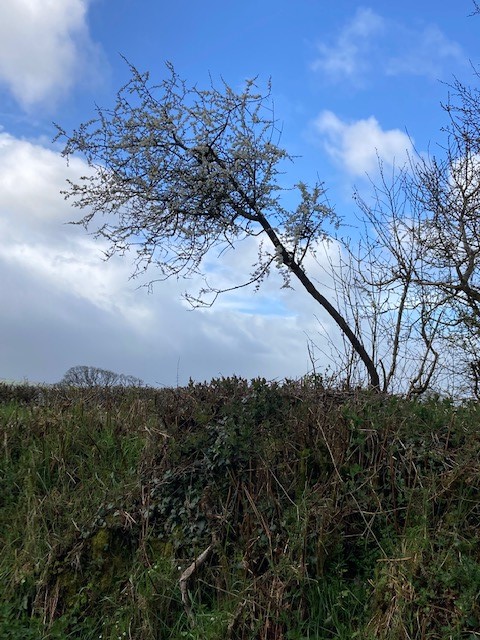
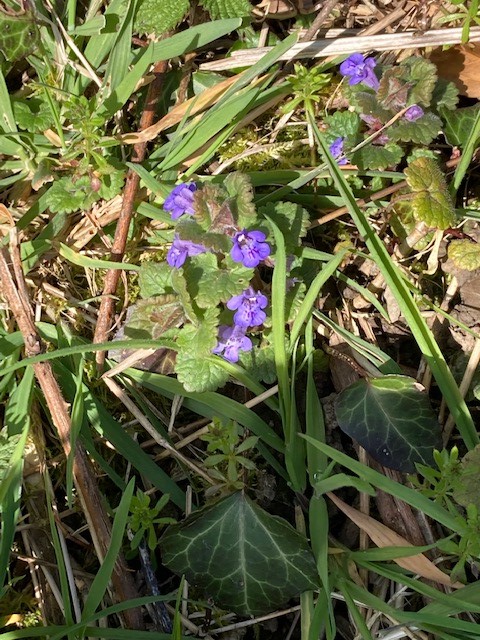
Can you spot the orchid in the slideshow below? It is meant to be quite rare. We did manage to find many of the flowers mentioned.
We have been listening to this appropriately named piece of music.
We have been learning about…
how the illustrators of medieval bestiaries relied on word of mouth to create their drawings. Often, descriptions of animals seen in faraway countries were greatly exaggerated or altered in the telling. It was like an art game of Chinese Whispers.
So, it can be a challenge to work out which animal they represent. To make it more confusing, medieval bestiaries also make no distinction between real and mythological creatures.
Have a go at guessing which (real) animals these illustrations are meant to be!
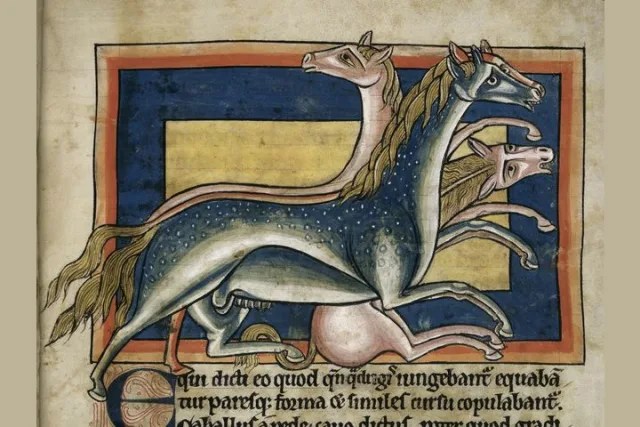
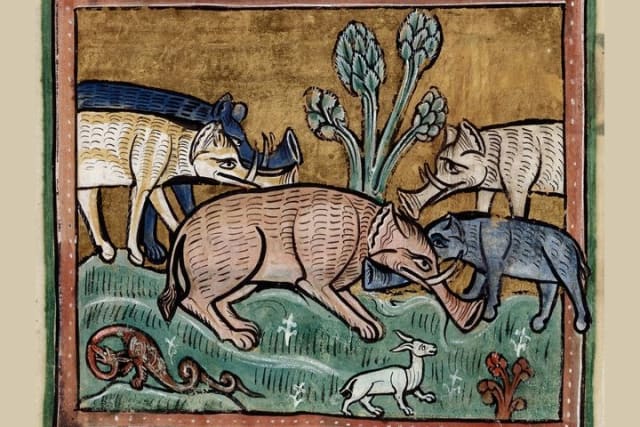
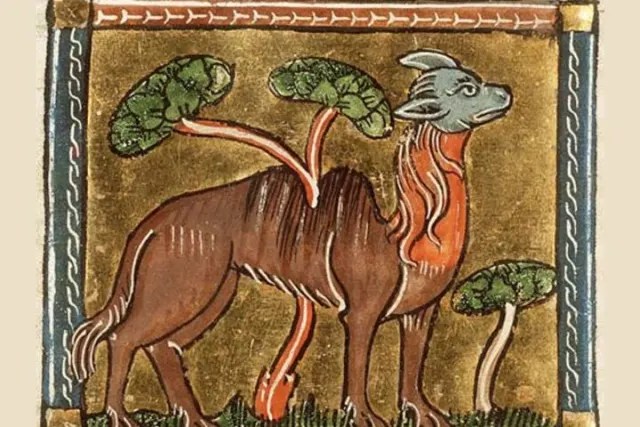
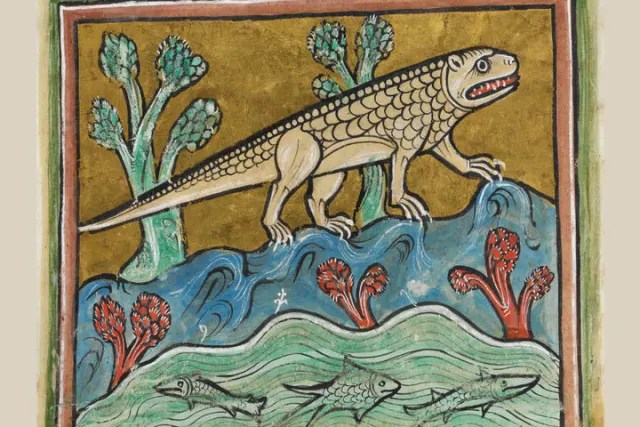
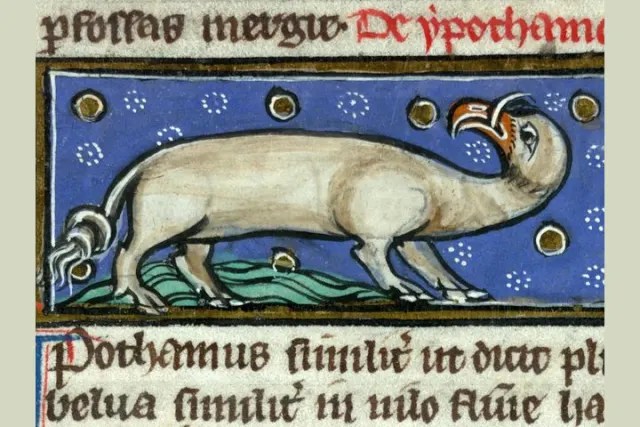
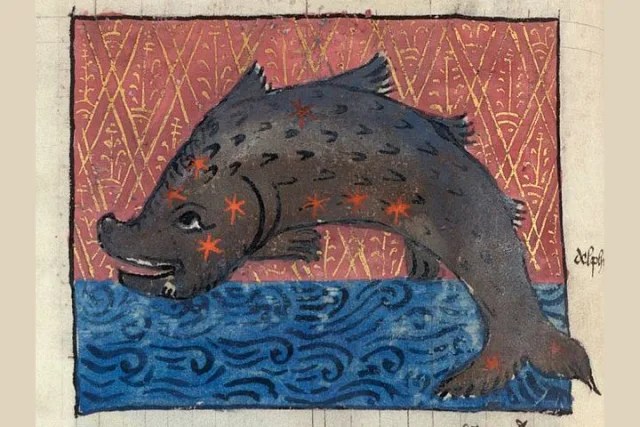
All illustrations have been taken from this quiz for older readers, where you will find the answers : https://www.medievalists.net/2015/01/can-guess-animal/
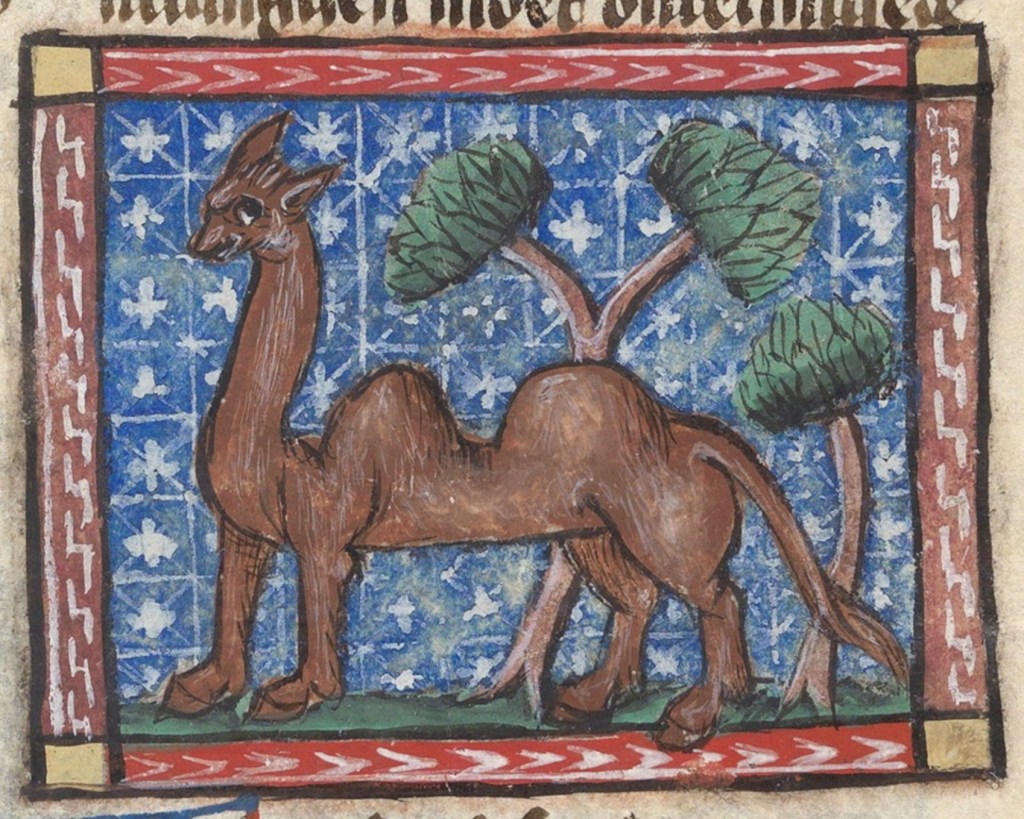
Children can find out more about legendary creatures, here: https://kids.kiddle.co/Legendary_creature You can find out more about medieval bestiaries from the British Library, here: https://blogs.bl.uk/digitisedmanuscripts/2014/06/weird-and-wonderful-creatures-of-the-bestiary.html There is a wonderful, comprehensive list of creatures – real and mythological, here: https://bestiary.ca/beasts/beastalphashort.htm
Camel image:Koninklijke Bibliotheek, KB, 76 E 4 (Der Naturen Bloeme)
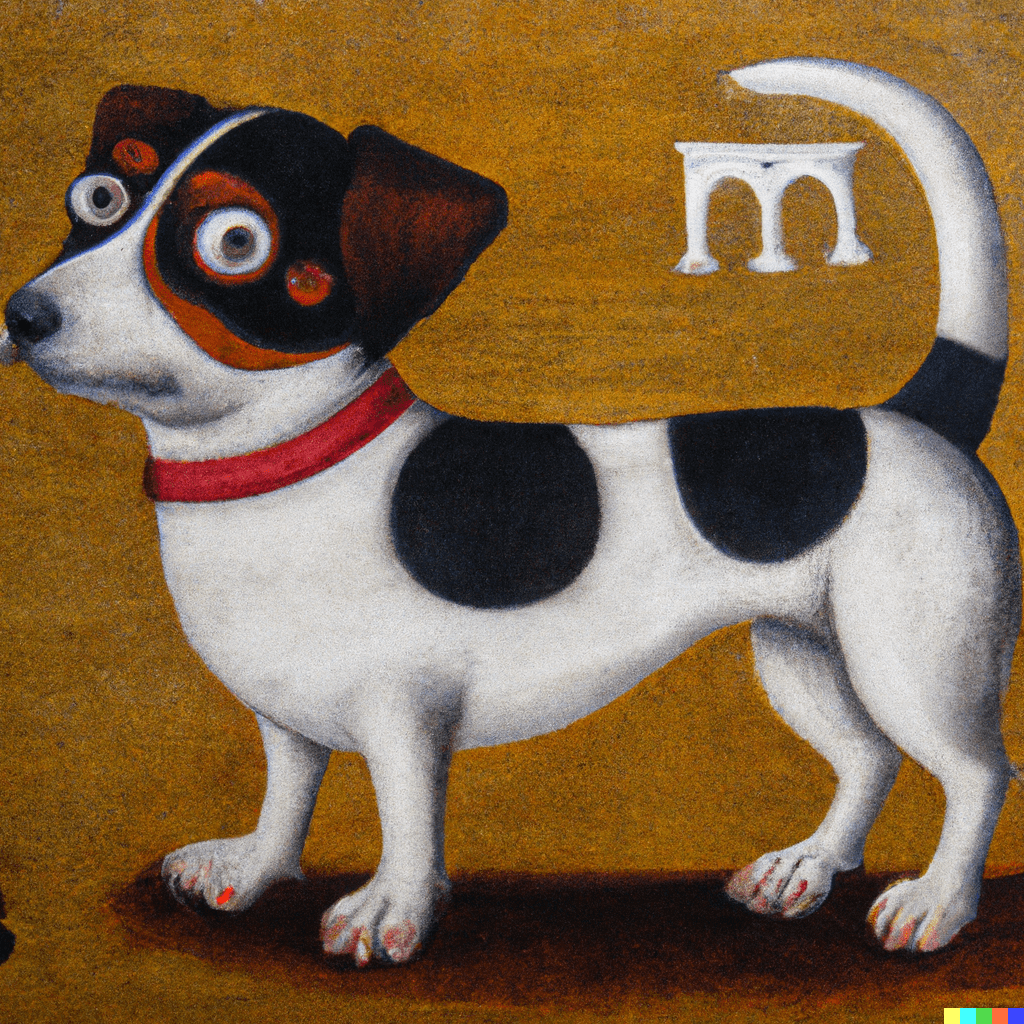
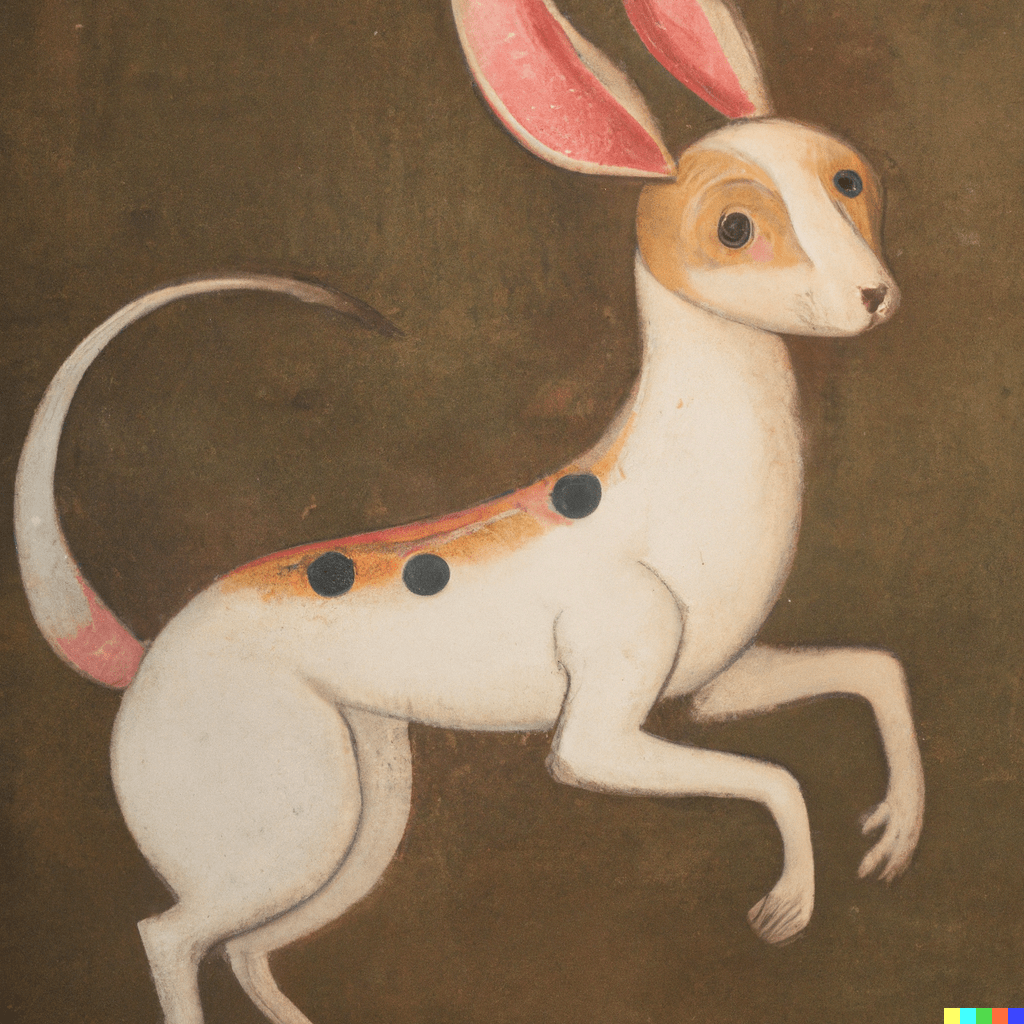
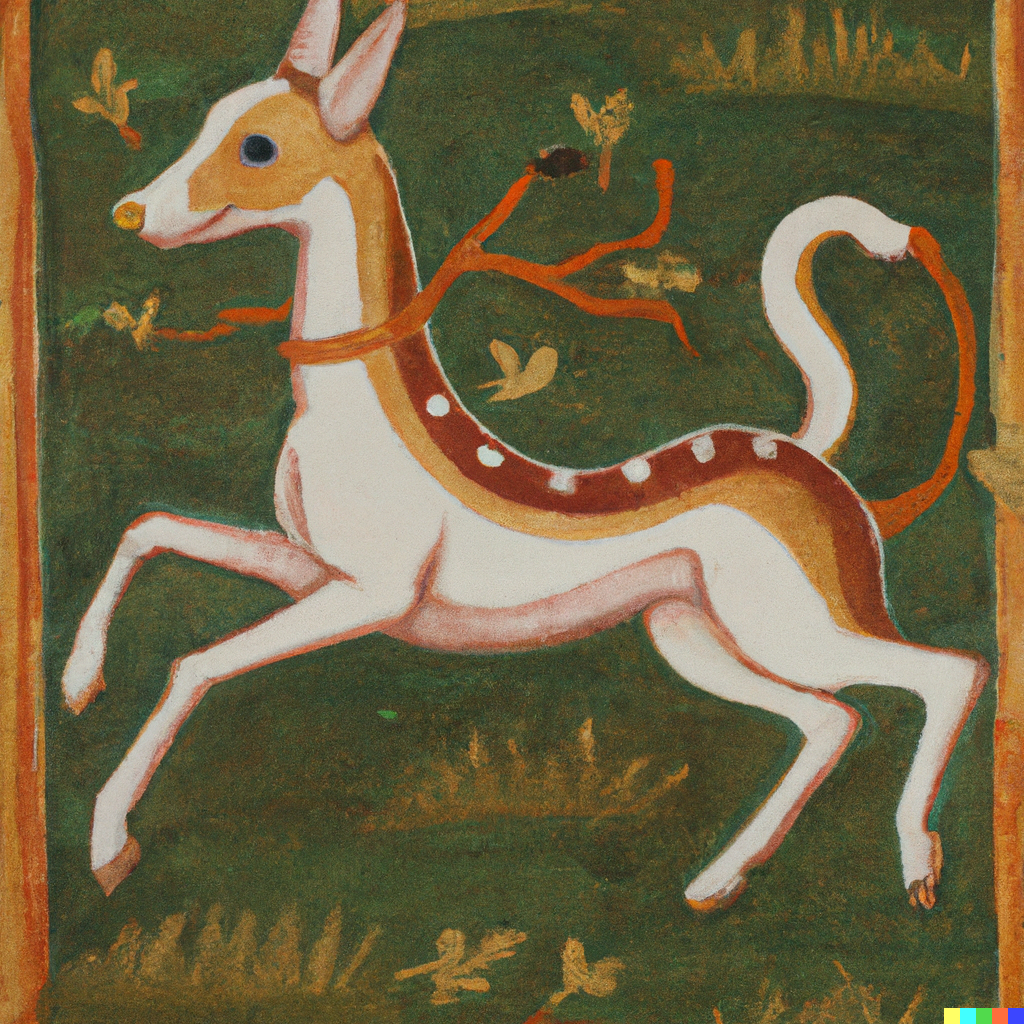
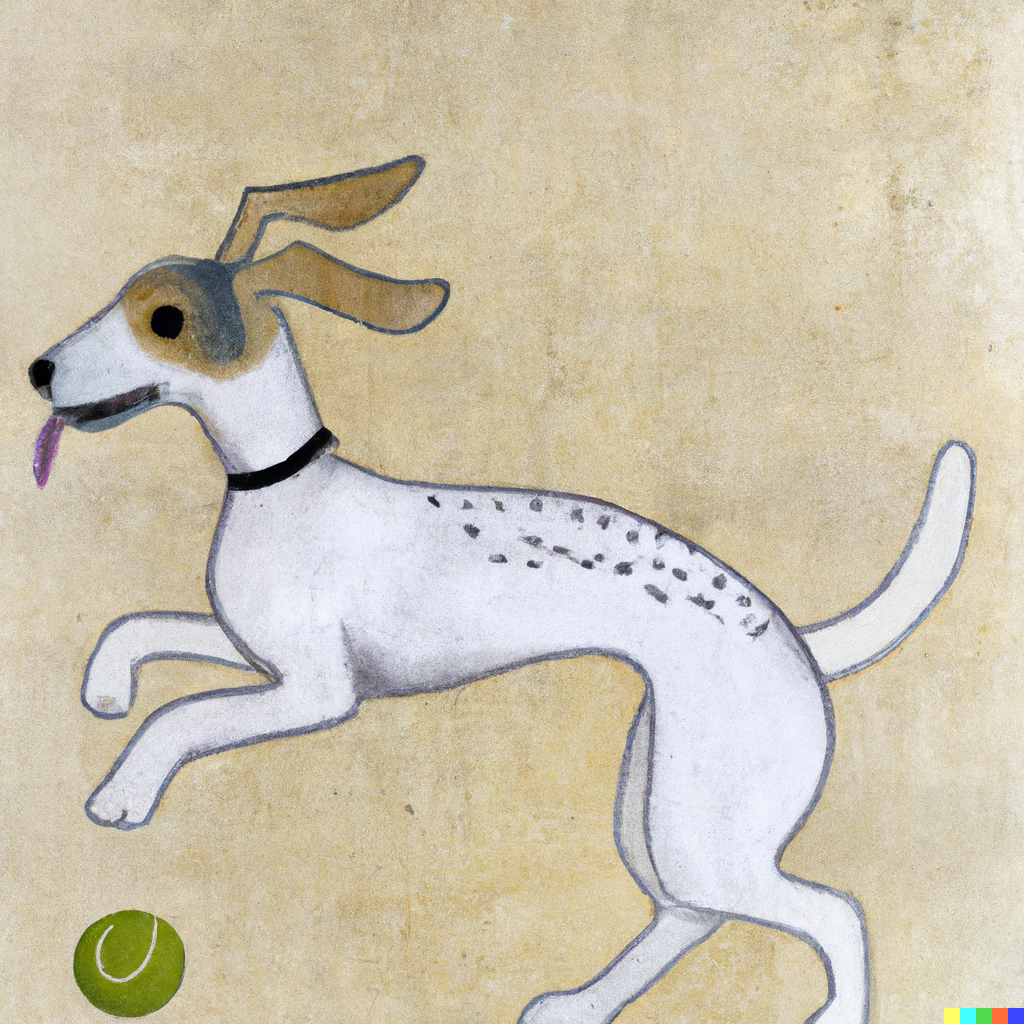
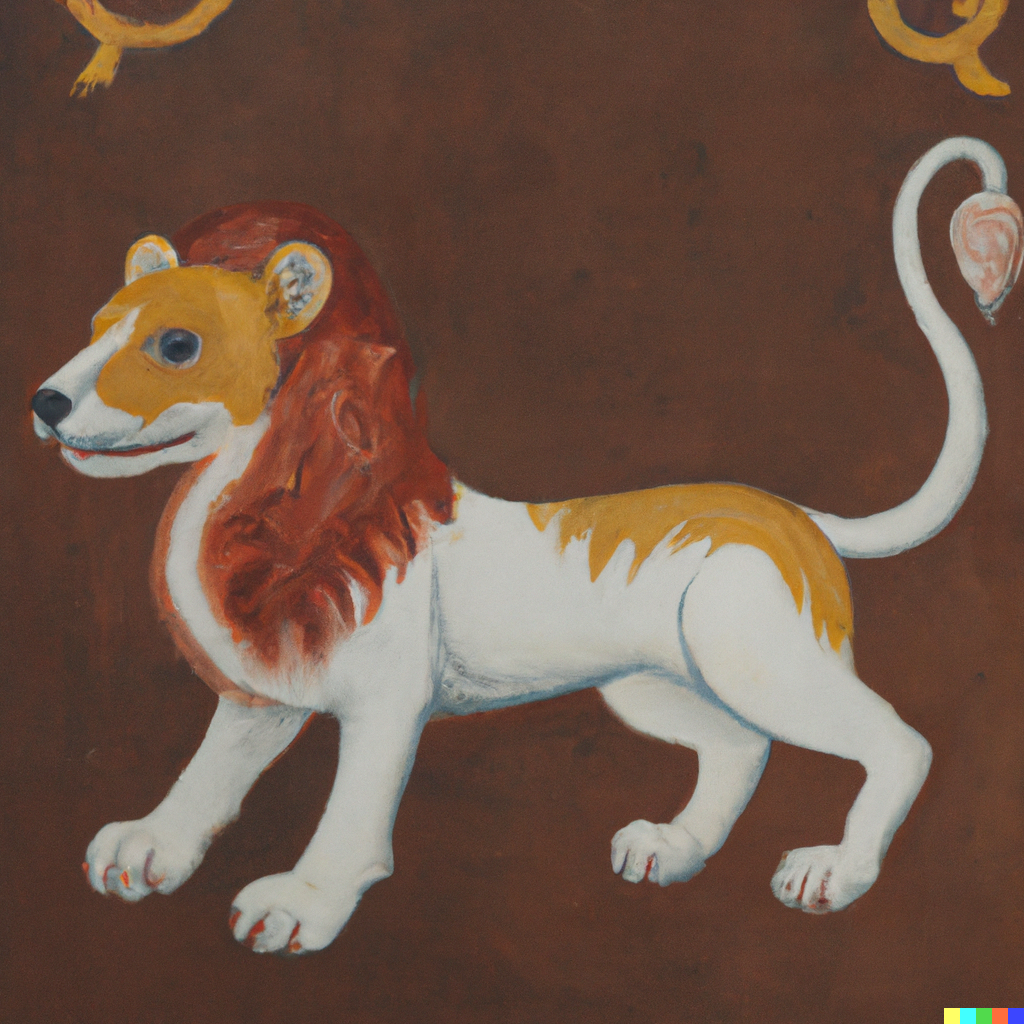
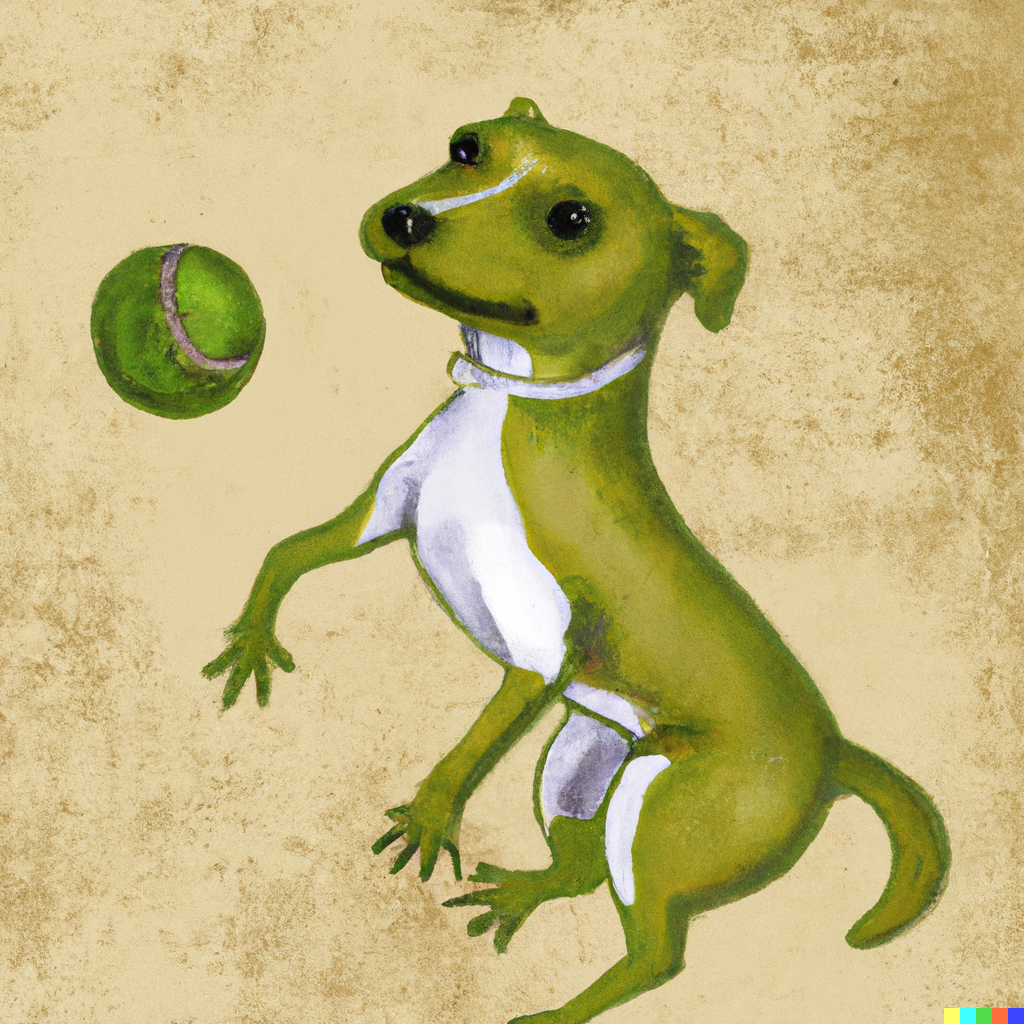
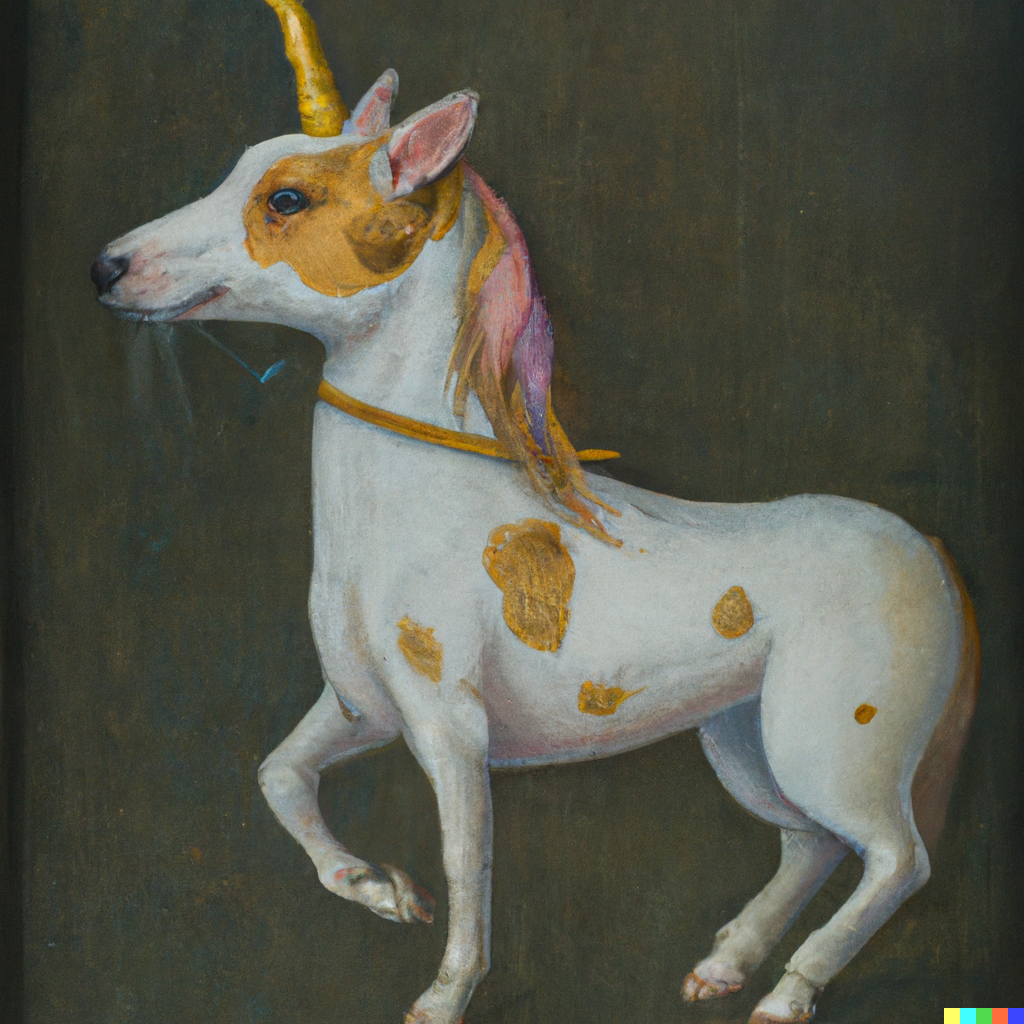
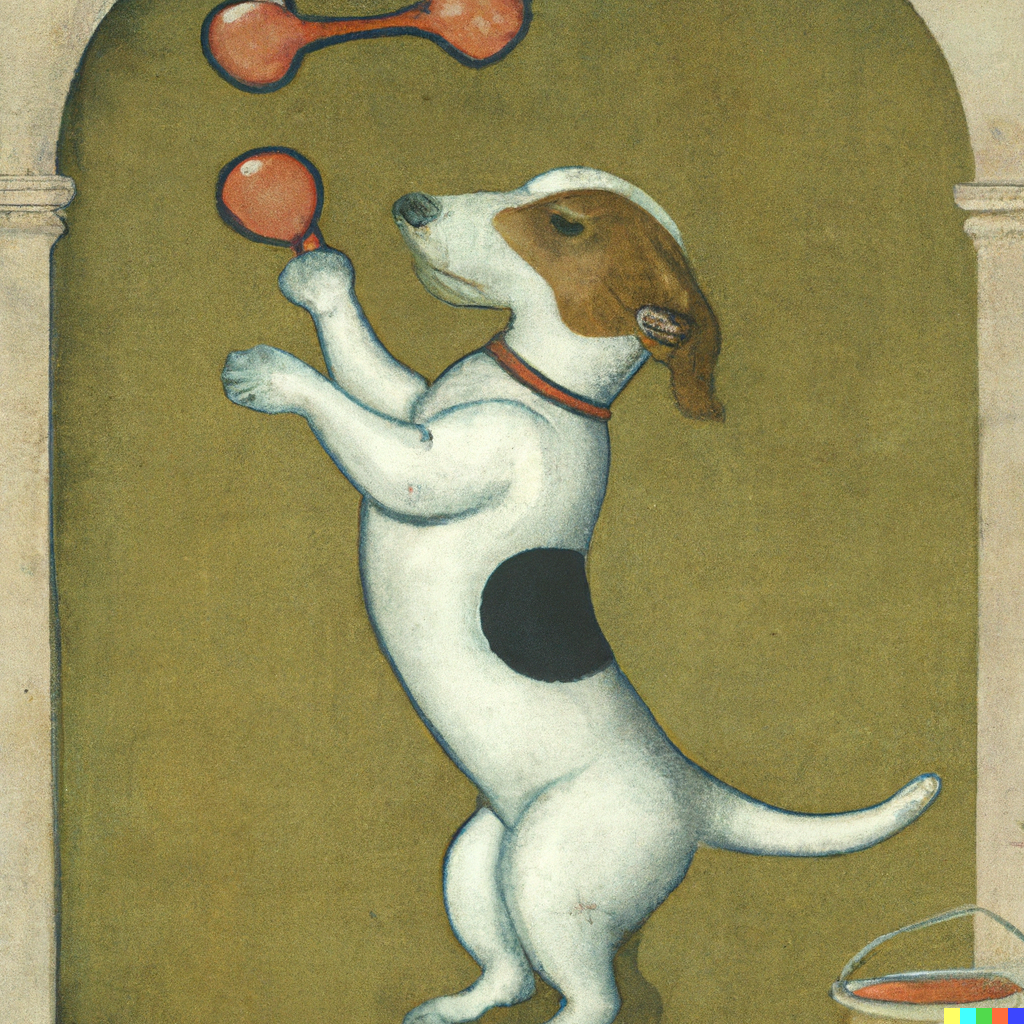
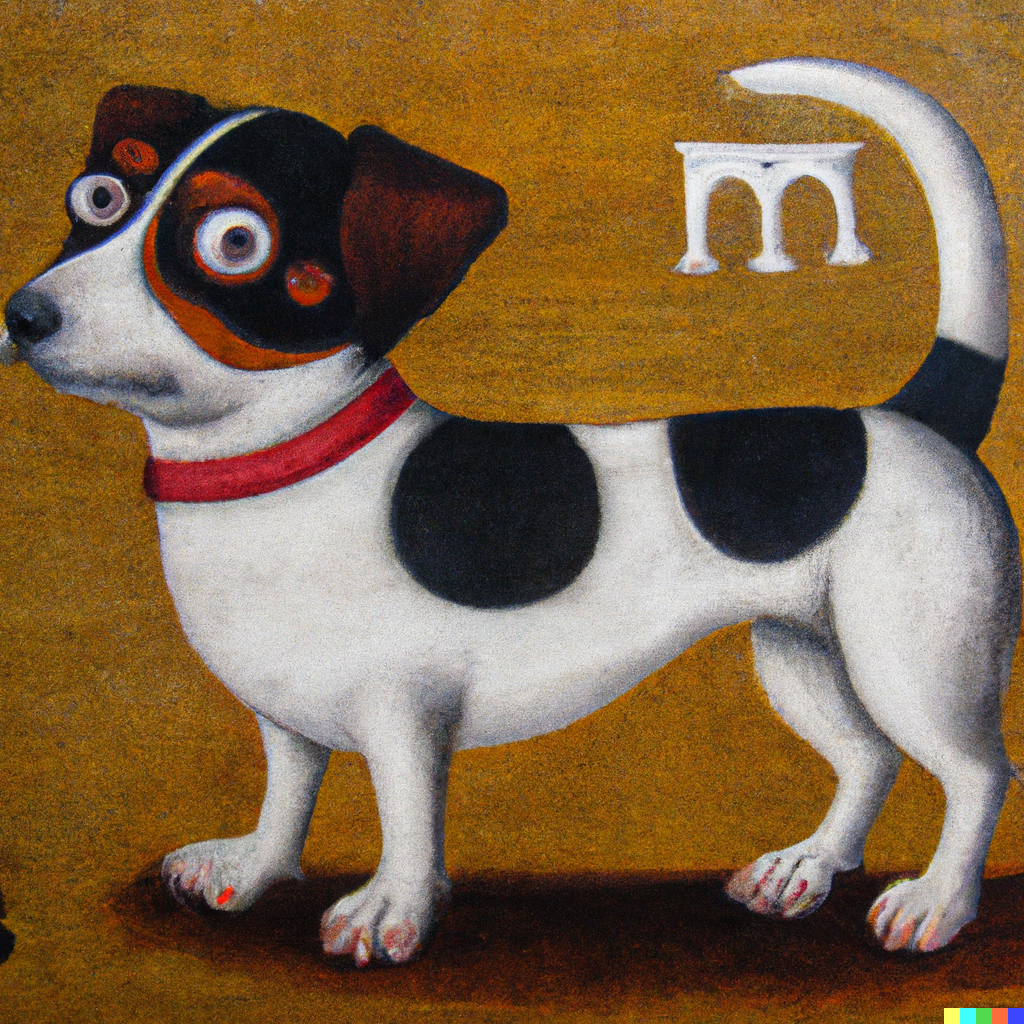
We have been imagining how medieval artists would have portrayed Busby…
– the dog with the speedy zooms, the big barks, anxious personality, food obsession and the ability to spring several times his height. So we asked DALL-E.
We have been wondering how migrating birds find their way home.
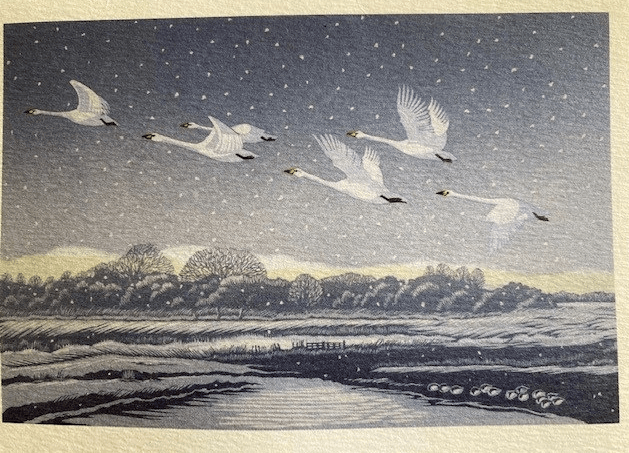
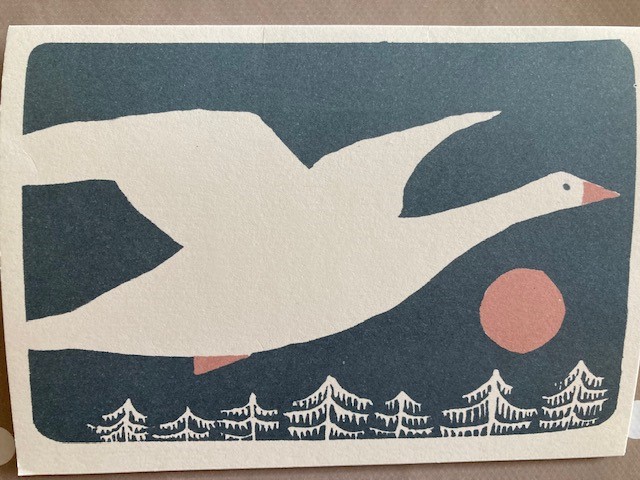
Above Image: Snow Flight Linocut by Niki Bowers http://www.nikibowers.co.uk card by http://www.art-angels,co.uk
Experiments by a scientist, Stephen Emlen, Cornell emeritus professor of neurobiology and behaviour, indicate that “birds look for some sort of constellation to point their way north, once they’ve learned where it is from the motion of the stars.”
Long camera exposures, such as the photo on the left, reveal that all the stars in the sky in the Northern Hemisphere rotate around the North Star. You can spot it using the Night Sky App, recommended last month. It is amazing!
Photo by Getty Images

In the decades since these experiments, ornithologists have learned a lot more about how birds navigate. They don’t just use a star compass — they also have a magnetic compass, a sun compass, and even a smell compass. It’s incredibly complex. “All these things intermingle,” Emlen says, and scientists still aren’t sure precisely how these different navigational systems all work together.
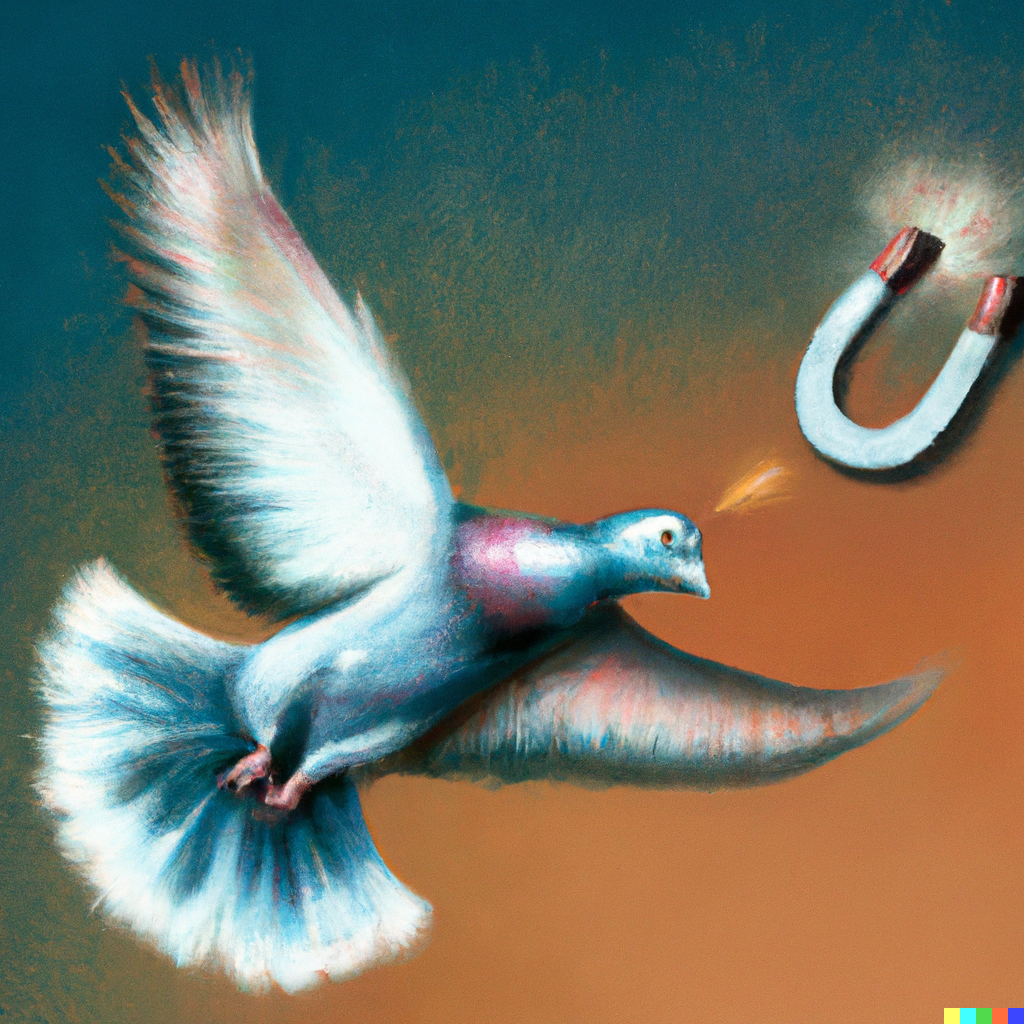
Recent research indicates that homing pigeons might have magnetic material in their beaks that guides them towards the magnetic north. How incredible!
Older readers might be interested in the original article, here: https://www.vox.com/22538268/animal-navigation-starlight-emlen-planetarium-experiments
Older children might like this short article, from the Smithsonian Science Education Center, about pigeons’ beaks, https://ssec.si.edu/stemvisions-blog/how-do-birds-navigate
And children might like this animation about bird migration https://thekidshouldseethis.com/post/62332029273
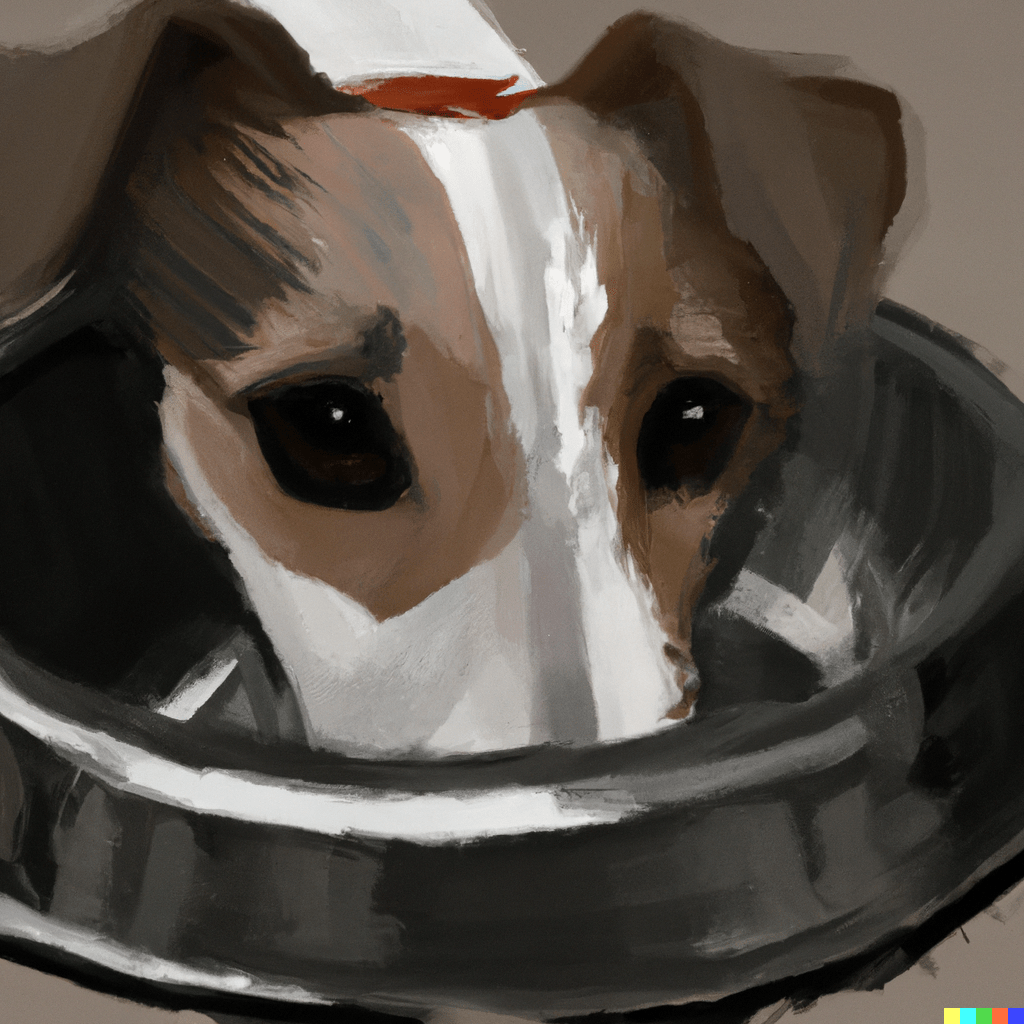
Above Photo – Prediction of what would happen if Busby had a magnetic material in his nose.
The Road Home
We have been thinking about how people create things.
It’s not only drawings that evolve. Music can too. This is what happened when composer,Stephen Paulus was asked to write a short “folk” type choral work.
He says, ” I had discovered a tune in a folk song book called “The Lone Wild Bird.” I fell in love with it, made a short recording and asked my good friend and colleague, Michael Dennis Browne to write new words for this tune. The tune is taken from The Southern Harmony Songbook of 1835.”
Card by Cambridge Imprint http://www.cambridgeimprint.co.uk
This is the original tune: https://youtu.be/rH-xfPx9qUk and this, in turn, maybe owes something to this famous tune: https://youtu.be/XpHj8yTUqH4
You can read more about the creative process here: https://stephenpaulus.com/blogs/news/17806884-work-story-the-road-home
We have been watching this moving film clip and feeling uplifted (!)
Inspired by this, we have put World Migratory Bird Day on our calendar.
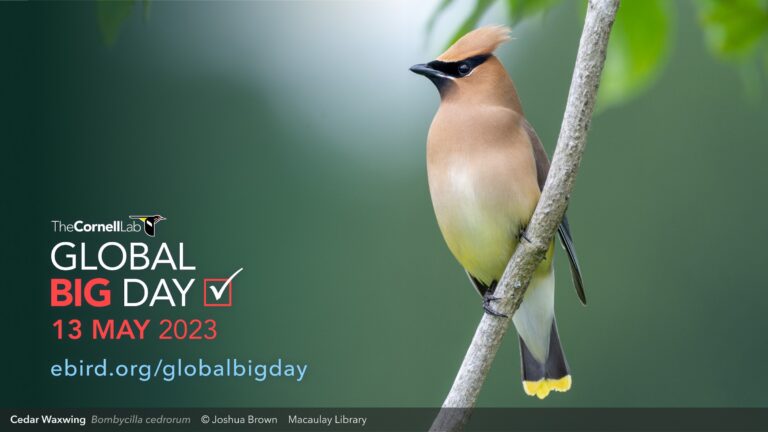
It is on the 13th May. You too can join in with a worldwide bird count using MERLIN, our favourite bird identification App.
You can find out how just ten minutes can contribute to a better understanding of global bird populations, here: https://ebird.org/news/global-big-day-2023
Observations are crucial in allowing researchers to compile fascinating information about bird populations and simulations of continental bird migration. You can view these, here: https://science.ebird.org/en/status-and-trends
And finally, rounding off the theme of home on a lighter note, we have been watching…
If you are unfamiliar with how these were created (using interviews with members of the public!) you can find out more about the process, here: https://en.wikipedia.org/wiki/Creature_Comforts
Thank you…
everyone who has signed up to follow this blog. Every time we see a new name, I feel great and Busby feels (p)awesome.
If you’d like to subscribe (it is free), you can do so below the paw prints.
If you enjoyed this month’s post and want to read more, or revisit a post, you can find a post for every month of the year. Just click on Busby’s Year in the top menu of this website (Buzzypaws.com ) and choose your month.
If you’d like to visit our Quiet Paws Book Corner, for more book-based activities, go to the Join the Book Corner page. It is also free.
Subscribe here to find out what we are doing each month. Fill in your email address and make sure you click on confirm subscription in the email that’s sent to you, possibly in your junk mail. You will then be notified every time a blog post is published.

 Buzzy Paws