
We have been finding out what this green man has to do with British folklore and tradition and why he features on the beautifully designed Coronation invitations.
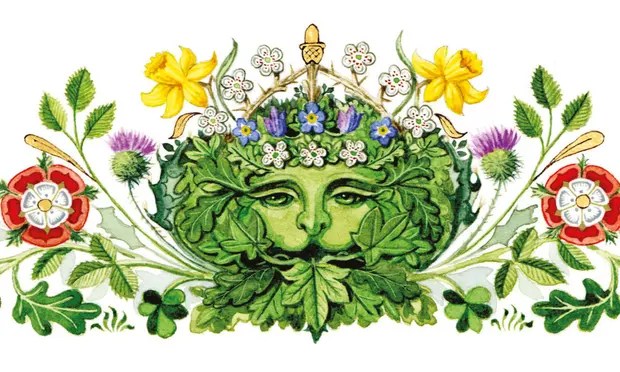
The Green Man, detail from the King Charles III coronation invitation. Photograph: Buckingham Palace/PA

You can find the answer and read about the many other symbols in the royal invitation (left), here: https://www .theguardian.com/artanddesign/2023/apr/05/the-coronation-invitation-review-charles-pagan-party-king
How many can you spot?
Photograph: Buckingham Palace/Reuters.
The artist, Andrew Stewart Jamieson, designs pieces inspired by medieval manuscripts and heraldry and has spent his whole career perfecting this art. We love the ‘strange Landscape’ section of his gallery, here: https://www.andrewstewartjamieson.co.uk/portfolio
We have been trying out a flower recognition App…
Do you recognise the flowers in the photo?
If not, you are in good company – the App also failed to recognise them!
So, I sent the photo to a very dear, real human, who succeeded where technology had failed. Thank you, Jay!
These are pennywort. And they are everywhere.

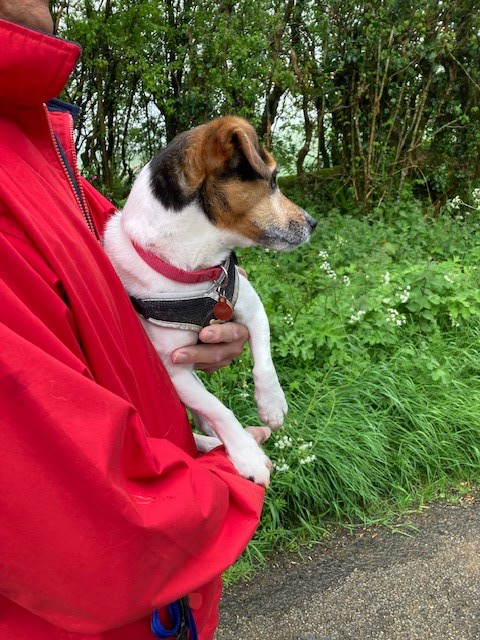
Busby has been enjoying a better view of the country lanes
He explains, “Generally, I am happy to trot along at ground level, however, occasionally, especially when it is wet under paw, I do prefer a bit of a carry. This allows me a better view and the time to think about poems such as the one below. This sonnet could have been written about a lane near me!”
On a Lane in Spring by John Clare
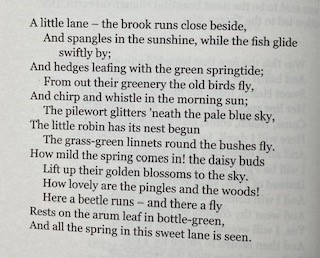
Pilewort is also known as lesser celandine and a pingle is an enclosed field.
Feeling inspired? Click here for a child-friendly short explanation about how to write a sonnet and for a downloadable template:https://poetry4kids.com/lessons/how-to-write-a-sonnet/
We have been listening to…

Anthracite Flowers: IV. by Julia Wolfe
This is part of a modern oratorio that pays tribute to the coal miners of Pennsylvania, USA. Like all miners in the 19th and early 20th centuries, their working conditions were harsh and their lives incredibly tough. And yet, they found ways to brighten their surroundings.
An article on Wikipedia explains how, “This movement was created and inspired by an interview conducted with Barbara Powell, the daughter and granddaughter of miners. In an interview, she stated, “We all had gardens” and began listing flower names.” You can read the article, here: https://en.wikipedia.org/wiki/Anthracite_Fields
Why not have a go at illustrating these lyrics?!
You can read more about Pennsylvania’s coal miners and view photos, here: http://www.anthracitemuseum.org/
We are wondering how many of Pennsylvania’s coal miners, largely of European origin, came from Cornwall.
Listen to the song below to find out why!
We have been testing our musical ear…
and so can you, using this website: https://www.themusiclab.org/quizzes/td
When you take the online test, you can find out whether you are tone deaf or have perfect pitch, all whilst helping researchers at Yale University.

You can take part in other games that help research, including this one for children about world music (parental input needed). https://www.themusiclab.org/quizzes/kfc

We have been waiting to take part in…
the Global Big Bird Watch – the 13th May. But then, we missed it!! Whoops.

If you missed it too, you can still submit results of your twitching. Thousands of dedicated people have submitted a result every day for a year. There’s a challenge!
You can take a free birdwatching course online, here: https://academy.allaboutbirds.org/product/ebird-essentials/?utm_source=Cornell+Lab+eNews&utm_campaign=2e186eb4d0-ebird+enews+may+2023&utm_medium=email&utm_term=0_47588b5758-2e186eb4d0-353615385
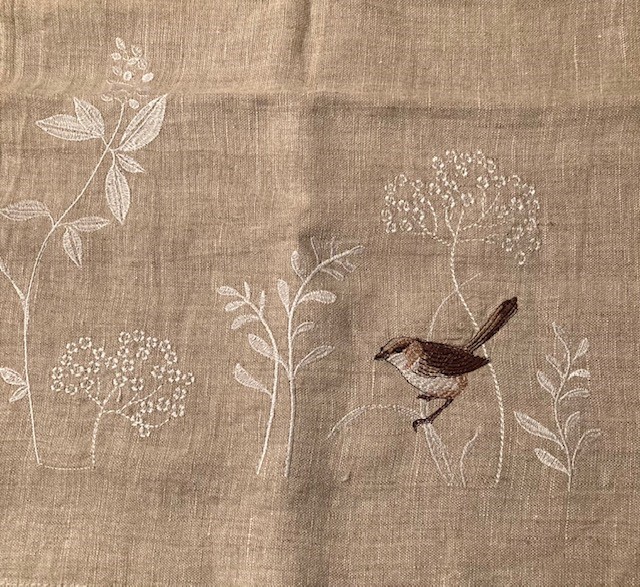
We have been admiring this little bird though.
It has come all the way from Ukraine as part of a much appreciated gift. You can read more about Ukrainian embroidery in last September’s blog, here:https://buzzypaws.com/september-2022-with-busby/
We have been baking shortbread…
Mary Berry’s recipe, the result and my serving suggestion are on the slideshow below.

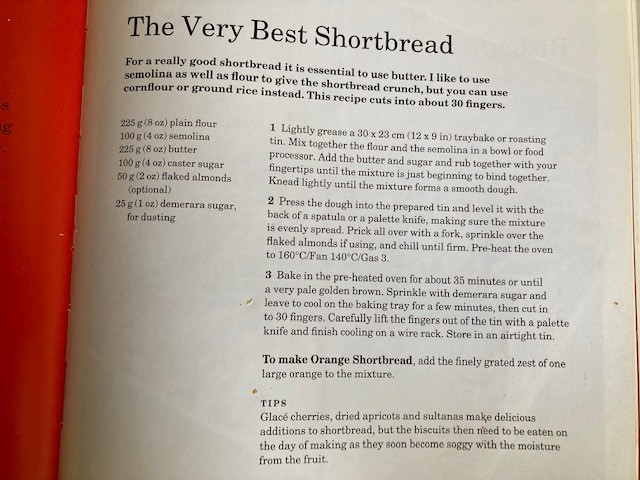
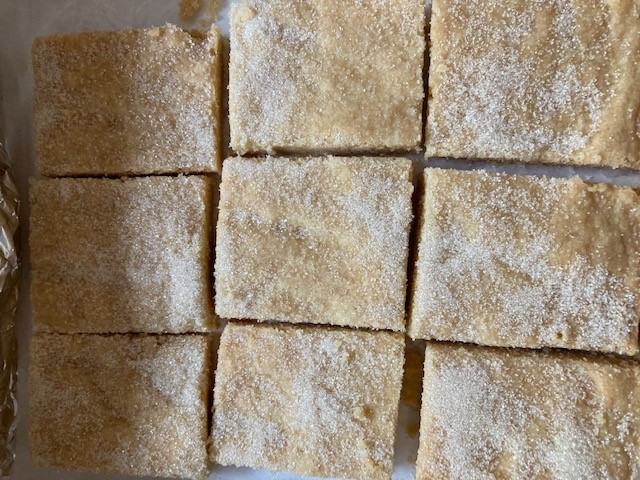
Here’s the recipe for our thousands of American readers, only joking. But if you’re out there, this is the recipe for you.https://www.washingtonpost.com/recipes/proper-british-shortbread/
And finally…
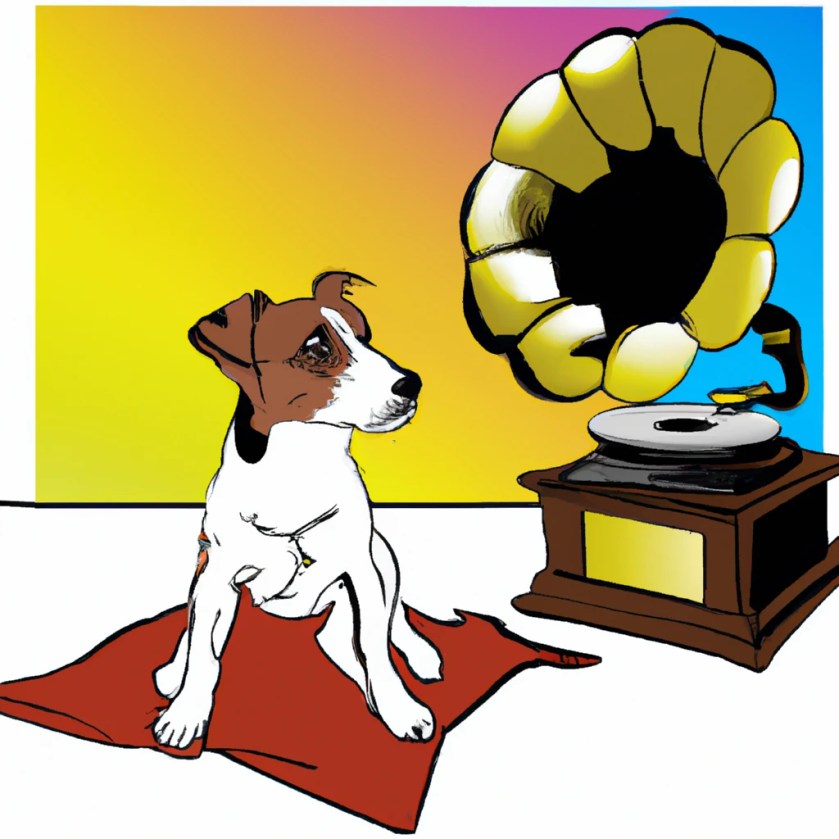
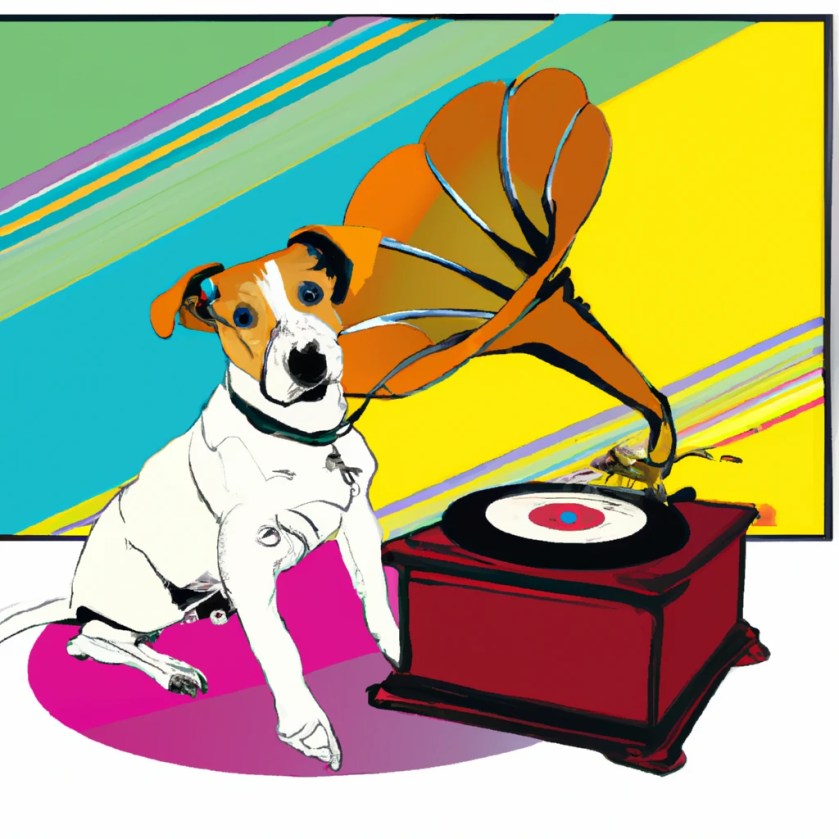
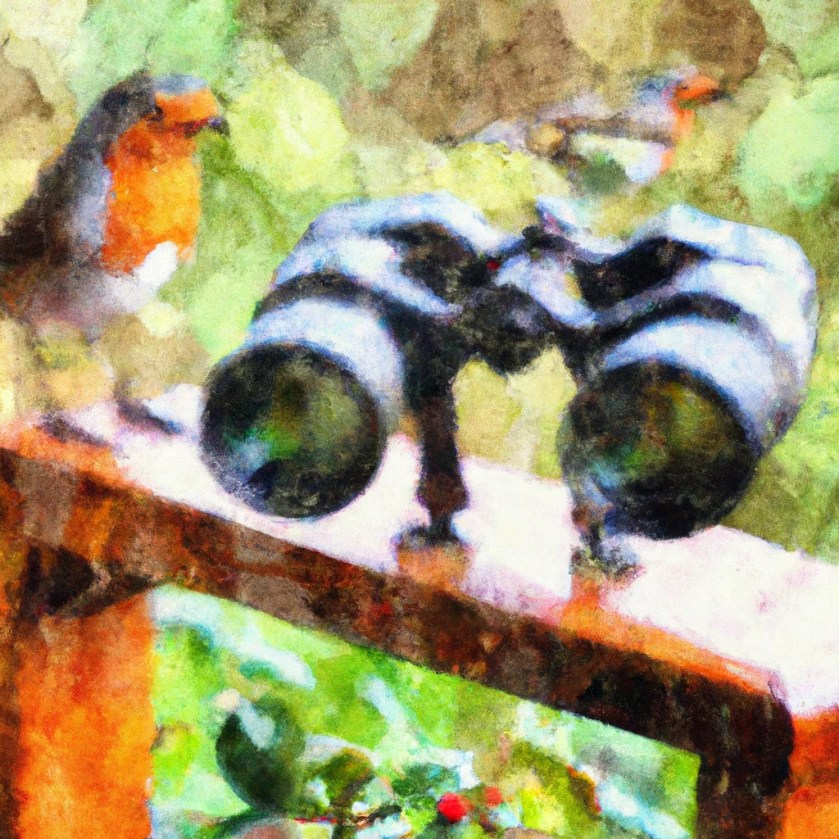
we have been enjoying using DALL-E to illustrate this page.
If you noticed the lack of credits for many of the pictures this month, that’s because they are DALL.E creations. Here are some runners up that DALL.E produced but that weren’t selected.






Thank you…
everyone who has signed up to follow this blog. Every time we see a new name, I feel great and Busby feels (p)awesome.
If you’d like to subscribe (it is free), you can do so below the paw prints.
If you enjoyed this month’s post and want to read more, or revisit a post, you can find a post for every month of the year. Just click on Busby’s Year in the top menu of this website (Buzzypaws.com ) and choose your month.
If you’d like to visit our Quiet Paws Book Corner, for more book-based activities, go to the Join the Book Corner page. It is also free.
Subscribe here to find out what we are doing each month. Fill in your email address and make sure you click on confirm subscription in the email that’s sent to you, possibly in your junk mail. You will then be notified every time a blog post is published.

 Buzzy Paws